Enhancing Food Access in Underserved Communities
Access to nutritious food is a fundamental human right, yet millions of people in underserved communities face significant barriers to obtaining it. These barriers can stem from a variety of factors, including economic constraints, lack of transportation, and limited availability of healthy food options. In this blog post, we will explore the challenges faced by these communities, highlight successful initiatives aimed at improving food access, and discuss actionable steps that can be taken to enhance food security for all.
Understanding the Challenges
Economic Barriers
Many individuals in underserved communities struggle with low incomes, which directly impacts their ability to purchase healthy food. According to the USDA, food insecurity affects approximately 10.5% of households in the United States, with higher rates observed in low-income areas. This economic strain often forces families to choose cheaper, calorie-dense foods that lack essential nutrients.
Transportation Issues
Access to transportation can be a significant hurdle for those living in food deserts—areas with limited access to grocery stores or fresh produce. Without reliable transportation, individuals may have to rely on convenience stores that offer limited healthy options. This lack of access can lead to poor dietary choices and increased health risks.
Limited Availability of Healthy Options
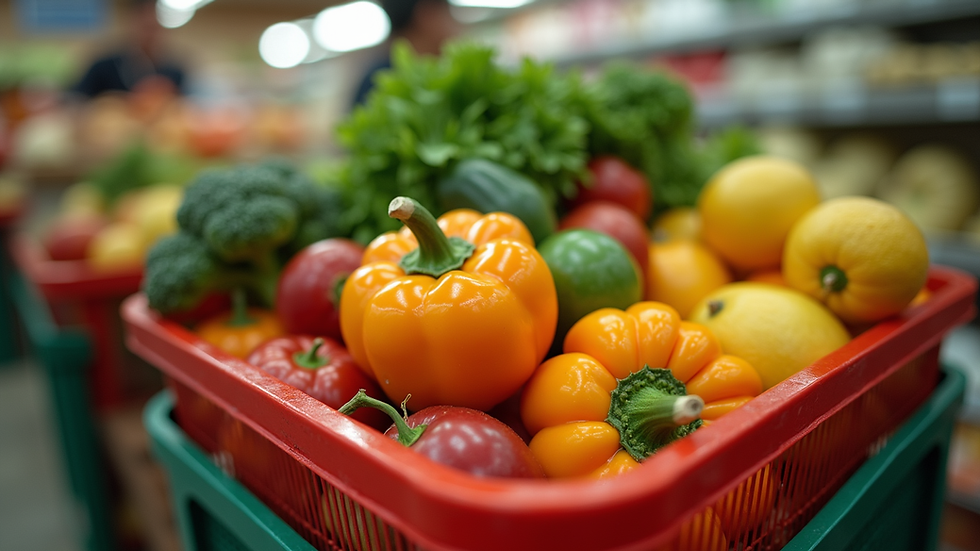
Even when individuals have the means to purchase food, they may find that healthy options are simply not available. Many grocery stores in underserved areas stock primarily processed foods, leaving residents with few choices for fresh fruits and vegetables. This limited availability can perpetuate cycles of poor nutrition and health disparities.
Successful Initiatives to Improve Food Access
Community Gardens
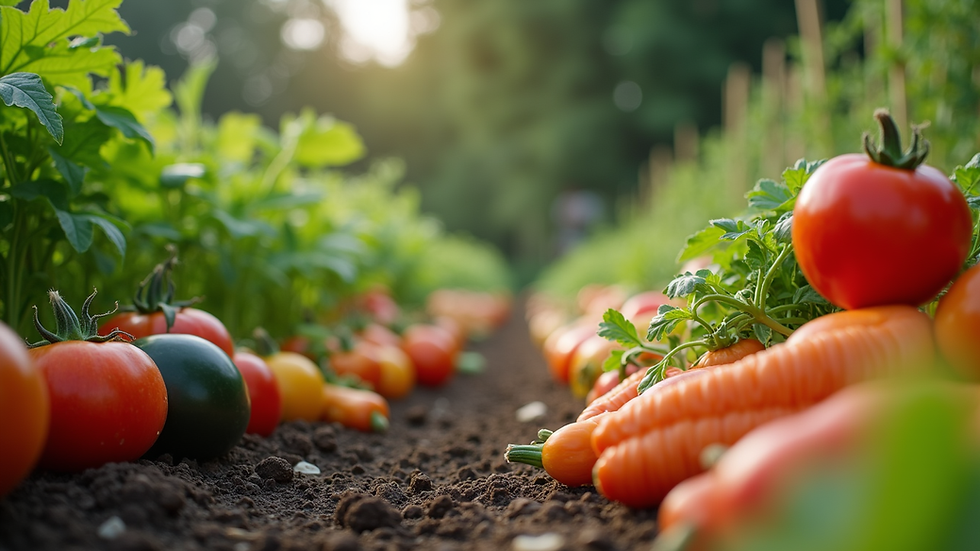
Community gardens have emerged as a powerful tool for enhancing food access in underserved neighborhoods. These gardens not only provide fresh produce but also foster community engagement and education about healthy eating. For example, the Garden of Hope in Los Angeles has transformed vacant lots into thriving gardens, allowing residents to grow their own food and learn about sustainable practices.
Mobile Markets
Mobile markets are another innovative solution to food access challenges. These markets bring fresh produce directly to underserved neighborhoods, eliminating transportation barriers. Organizations like Fresh Moves in Chicago operate retrofitted buses that serve as mobile grocery stores, offering affordable fruits and vegetables to communities in need.
Food Co-ops
Food cooperatives, or co-ops, are member-owned grocery stores that prioritize local and healthy food options. By pooling resources, community members can create a sustainable food source that reflects their needs and preferences. The People’s Food Co-op in Portland, Oregon, is a great example of how co-ops can empower communities to take control of their food systems.
Actionable Steps to Enhance Food Access
Support Local Farmers
One effective way to improve food access is by supporting local farmers and producers. This can be achieved through initiatives such as farmers' markets, where residents can purchase fresh produce directly from growers. By prioritizing local food systems, communities can increase the availability of healthy options while also supporting the local economy.
Advocate for Policy Changes
Advocacy plays a crucial role in enhancing food access. Community members can work together to push for policies that support food security, such as increased funding for nutrition assistance programs or incentives for grocery stores to open in underserved areas. Engaging with local government and policymakers can lead to meaningful changes that improve food access for all.
Educate and Empower Communities
Education is key to fostering a culture of healthy eating. Community workshops that teach cooking skills, nutrition education, and gardening can empower individuals to make informed food choices. Programs like Cooking Matters provide hands-on cooking classes that help families learn how to prepare healthy meals on a budget.
The Role of Technology
Online Grocery Delivery Services
Technology has the potential to bridge the gap in food access. Online grocery delivery services can provide residents in underserved areas with access to a wider variety of healthy food options. Companies like Instacart and Amazon Fresh are expanding their services to include more neighborhoods, making it easier for individuals to order fresh produce from the comfort of their homes.
Mobile Apps for Food Resources
Mobile applications can also serve as valuable tools for connecting individuals with food resources. Apps like FoodFinder help users locate food pantries and meal programs in their area, ensuring that those in need can access available resources quickly and efficiently.
Building Community Resilience
Foster Collaboration
Collaboration among community organizations, local governments, and residents is essential for creating sustainable solutions to food access challenges. By working together, stakeholders can share resources, knowledge, and best practices to enhance food security in their communities.
Create a Food Policy Council
Establishing a food policy council can help communities address food access issues systematically. These councils bring together diverse stakeholders to discuss food-related challenges and develop comprehensive strategies to improve food systems. By involving community members in the decision-making process, councils can ensure that solutions are tailored to local needs.
Conclusion
Enhancing food access in underserved communities requires a multifaceted approach that addresses economic, transportation, and availability barriers. By supporting local initiatives, advocating for policy changes, and leveraging technology, we can work towards a future where everyone has access to nutritious food. It is essential for individuals, organizations, and policymakers to come together to create sustainable solutions that empower communities and promote food security for all.
As we move forward, consider how you can contribute to these efforts in your own community. Whether it's volunteering at a local garden, advocating for policy changes, or simply supporting local farmers, every action counts in the fight for food access.

Comments